Garden Bed Maintenance: Year-Round Strategies for Healthy Yards
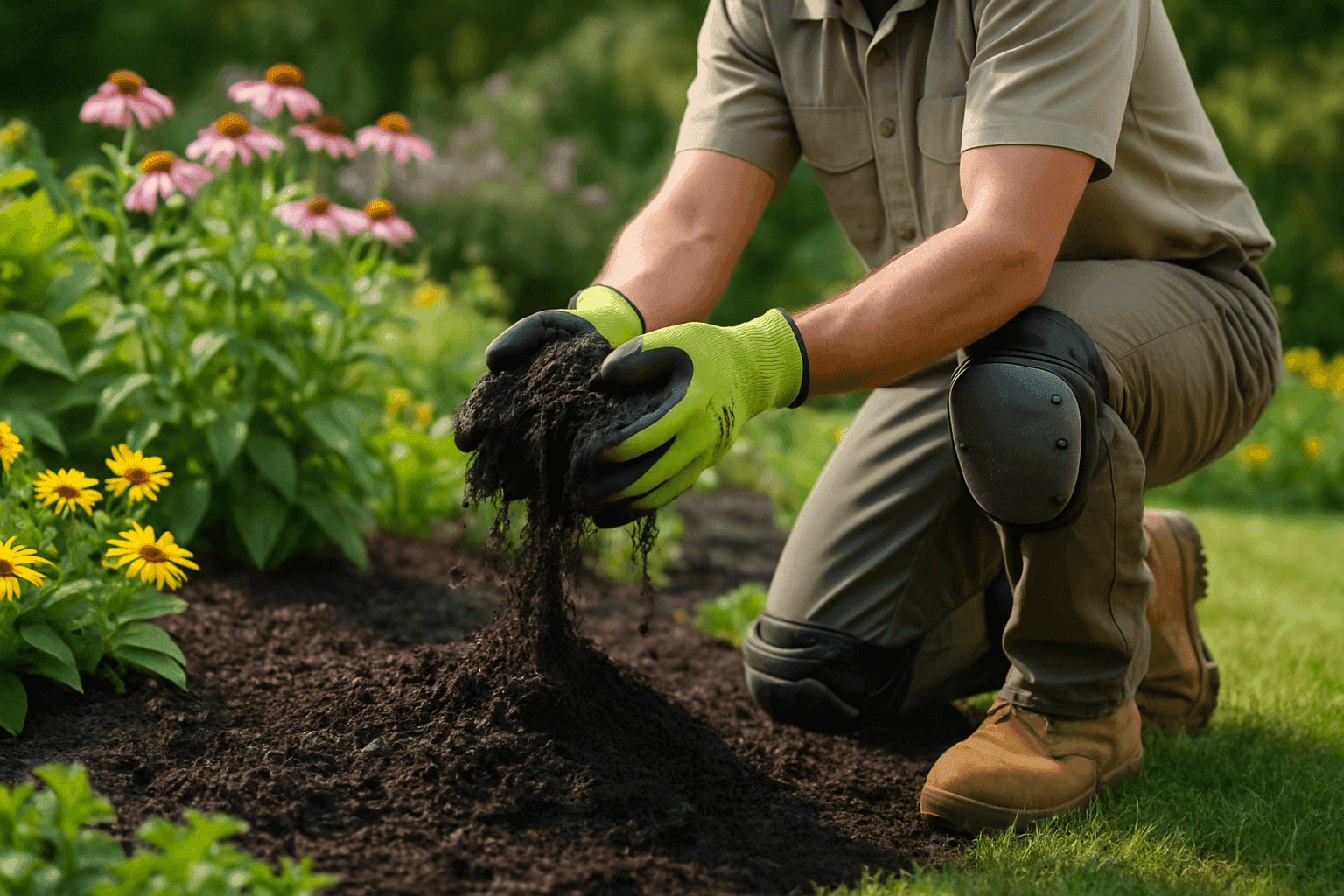
Keeping a garden bed healthy isn’t just about planting flowers or spreading mulch. It’s an ongoing dance with nature—timed to the seasons, tuned to the soil, and constantly adjusting for weather, pests, and surprise weeds. For homeowners, garden bed maintenance can feel like a test of patience and skill.
At Andrew’s Acres Landscaping, we understand the pride that comes from a beautiful yard. We also know the frustration when weeds pop up overnight or a late frost takes out your favorite blooms. That’s why we’re sharing our year-round approach to garden bed maintenance—so your landscaping is the envy of the neighborhood, no matter the month.
Why Garden Bed Maintenance Matters 🌱
A well-kept garden bed isn’t just a pretty face. It’s the foundation of a thriving landscape. Think of it as the engine under the hood of your yard—quietly powering everything above the surface.
Without regular care, even the best-designed beds can become overrun by weeds, depleted of nutrients, or ravaged by pests. Neglect leads to erosion, plant disease, and disappointing curb appeal. But with a steady routine, you’ll enjoy:
- Lush, vibrant plants
- Healthier soil structure
- Fewer weeds and pests
- Improved property value
In short, garden bed maintenance is the difference between a yard that turns heads and one that just blends in.
Essential Tools and Materials
Before you get started, gather the right gear. The right tool makes the job safer, quicker, and far more effective. Here’s a quick checklist:
- Gloves: Protect hands from thorns, stings, and soil-borne bacteria.
- Hand trowel: For digging, transplanting, and loosening soil.
- Pruning shears: Tame shrubs, hedges, and flowering perennials.
- Garden fork: Aerate compacted soil and mix in compost.
- Weeder: Target dandelions and deep-rooted troublemakers.
- Rake: Clear leaves and spread mulch evenly.
- Mulch: Helps suppress weeds and conserve moisture.
- Compost or fertilizer: Feed your soil so your plants can thrive.
- Soil test kit: Check pH and nutrient levels for optimal growth.
- Watering can or hose: Keep beds hydrated, especially after planting or fertilizing.
Stay safe: Always use tools as intended, clean them after each use, and store sharp items out of reach of children.
Step-by-Step Seasonal Care Guide
No two seasons are exactly alike. Your garden bed’s needs change just as surely as the weather. Here’s how to keep your landscaping strong from spring through winter:
Spring
Spring is a fresh start. As the ground thaws, it’s time to clear winter debris, edge beds, and prep for planting.
- Remove old mulch and fallen leaves.
- Test your soil. Amend it with compost if needed.
- Divide and transplant perennials before they put on too much growth.
- Prune dead branches from shrubs and ornamental trees.
- Apply pre-emergent weed control (where appropriate, always following label instructions).
- Mulch: Add a fresh layer (2–3 inches) to insulate roots and suppress weeds.
Summer
Summer heat brings rapid growth—and fierce competition from weeds and pests.
- Weed weekly. Don’t let them go to seed.
- Water deeply, but less often, to encourage deep roots. Early morning is best.
- Monitor for pests. Look for chewed leaves, discolored stems, or sticky residue.
- Deadhead spent flowers to encourage more blooms.
- Check mulch depth and top up if it’s breaking down.
Fall
Fall is the season for prepping your beds for winter’s chill.
- Remove annuals and cut back spent perennials.
- Rake out fallen leaves so they don’t smother plants or invite disease.
- Test your soil again—fall is ideal for adding amendments or lime if your pH is off.
- Plant spring bulbs and cool-season annuals.
- Mulch again to insulate roots and minimize freeze/thaw cycles.
Winter
Even when plants sleep, your garden beds benefit from attention.
- Brush off heavy snow from shrubs and evergreens to prevent breakage.
- Check for signs of animal damage or exposed roots after storms.
- Plan for spring: Order seeds, sketch new bed designs, and service your tools.
Remember, weather can be unpredictable—especially across different regions. Some winters might be mild, while others bring deep freezes or ice. Adjust your routine to local conditions and stay flexible.
Common Problems and Solutions
Even the most diligent gardener battles weeds, pests, and soil headaches. Here’s how to tackle the usual suspects:
Weeds
- Hand-pull regularly before they set seed.
- Use mulch to block sunlight and stop new weeds before they start.
- Spot treat persistent invaders with targeted solutions (always follow EPA and product guidelines).
Pests
- Inspect plants weekly for chewed leaves, webs, or eggs.
- Encourage beneficial insects (like ladybugs and lacewings) to keep pests in check.
- Avoid overwatering to prevent rot and fungus gnats.
Soil Issues
- Test soil annually for pH and nutrients.
- Amend with compost to rebuild depleted beds.
- Rotate annual plantings to reduce disease build-up.
If problems persist, it may be time for a deeper look—or a professional assessment. The USDA Natural Resources Conservation Service is a helpful resource for soil care tips.
DIY vs. Professional Maintenance: What to Know 🛠️
Rolling up your sleeves can be rewarding. Many homeowners find peace in weeding, pruning, or spreading mulch on a Saturday morning. But some tasks are best left to those with the right training and equipment.
DIY is a good fit when:
- You have time and enjoy working outdoors.
- The project is small or straightforward.
- Safety risks are low (no major tree work or heavy machinery).
Professional help is best when:
- You’re facing persistent problems like aggressive weeds, fungal disease, or pest infestations.
- The job requires heavy lifting (retaining walls, large tree pruning).
- You want a landscape renovation, irrigation system, or custom garden bed design near you.
- Safety is a concern—think large equipment, slopes, or tricky electrical for outdoor lighting.
Pros bring efficiency, experience, and know-how. They also follow local safety codes and best practices. Sometimes, that’s the difference between a weekend project and a season-long headache.
Local Nuance: Flexible Routines for Your Climate
No two backyards are exactly alike. Coastal gardens may battle salt spray and sandy soil, while inland beds face clay and drought. Even within the same region, microclimates can shift what works and when.
- Adjust watering schedules based on rainfall and evaporation rates.
- Time mulch and fertilizer applications to your local frost dates.
- Watch for region-specific pests or diseases—and choose resistant plants when possible.
If you’re unsure, check with your local Cooperative Extension office. They offer region-specific advice on plant selection, pest management, and soil care.
Safety Tips for Homeowners
- Wear gloves and eye protection, especially when pruning or using chemicals.
- Keep tools sharp to reduce the risk of injury.
- Never use gasoline-powered tools indoors or without proper ventilation.
- Store fertilizers and pesticides out of reach of kids and pets.
- Follow all label instructions for lawn and garden products—don't mix chemicals unless the label says it's safe.
When to Call for Help
If you notice any of the following, reach out for a professional assessment:
- Persistent brown patches or stunted growth, despite your best efforts.
- Large areas of standing water or poor drainage.
- Aggressive pests (like Japanese beetles or moles) that aren’t responding to usual treatments.
- Structural issues—crumbling retaining walls, uneven patios, or sunken walkways.
- Signs of plant disease that spread quickly.
Sometimes, a quick consultation can save you weeks of frustration and prevent bigger problems down the road.
Frequently Asked Questions
How often should I mulch my garden beds?
Once or twice a year is usually enough. Spring and fall are ideal times. Aim for 2–3 inches, but don’t pile mulch directly against plant stems.
What’s the best way to control weeds long-term?
Consistent weeding, thick mulch, and healthy plant spacing are your best defenses. Avoid disturbing the soil too much, which brings buried weed seeds to the surface.
How do I know if my soil needs help?
If plants are pale, stunted, or slow to flower, test your soil. Low nutrients or pH imbalances are common culprits.
Can I install a new garden bed anytime?
Fall and spring are best, but it depends on your climate and what you want to plant. Avoid working very wet or frozen soil.
The Takeaway
Year-round garden bed maintenance isn’t about perfection—it’s about consistency. Start with the basics: mulch, weed, prune, and feed your beds on a schedule that fits your local climate. Watch for early signs of trouble. And when the job gets tough—or you want to dream bigger—don’t hesitate to bring in a professional.
Healthy garden beds make every yard shine. They’re the backdrop for family gatherings, backyard barbecues, and quiet mornings with coffee in hand. With the right care, your landscaping will thrive for seasons to come.
Call Andrew's Acres Landscaping now — or reach us anytime at 888-806-1708 .