How Much Does Professional Landscaping Cost? What Homeowners Should Expect
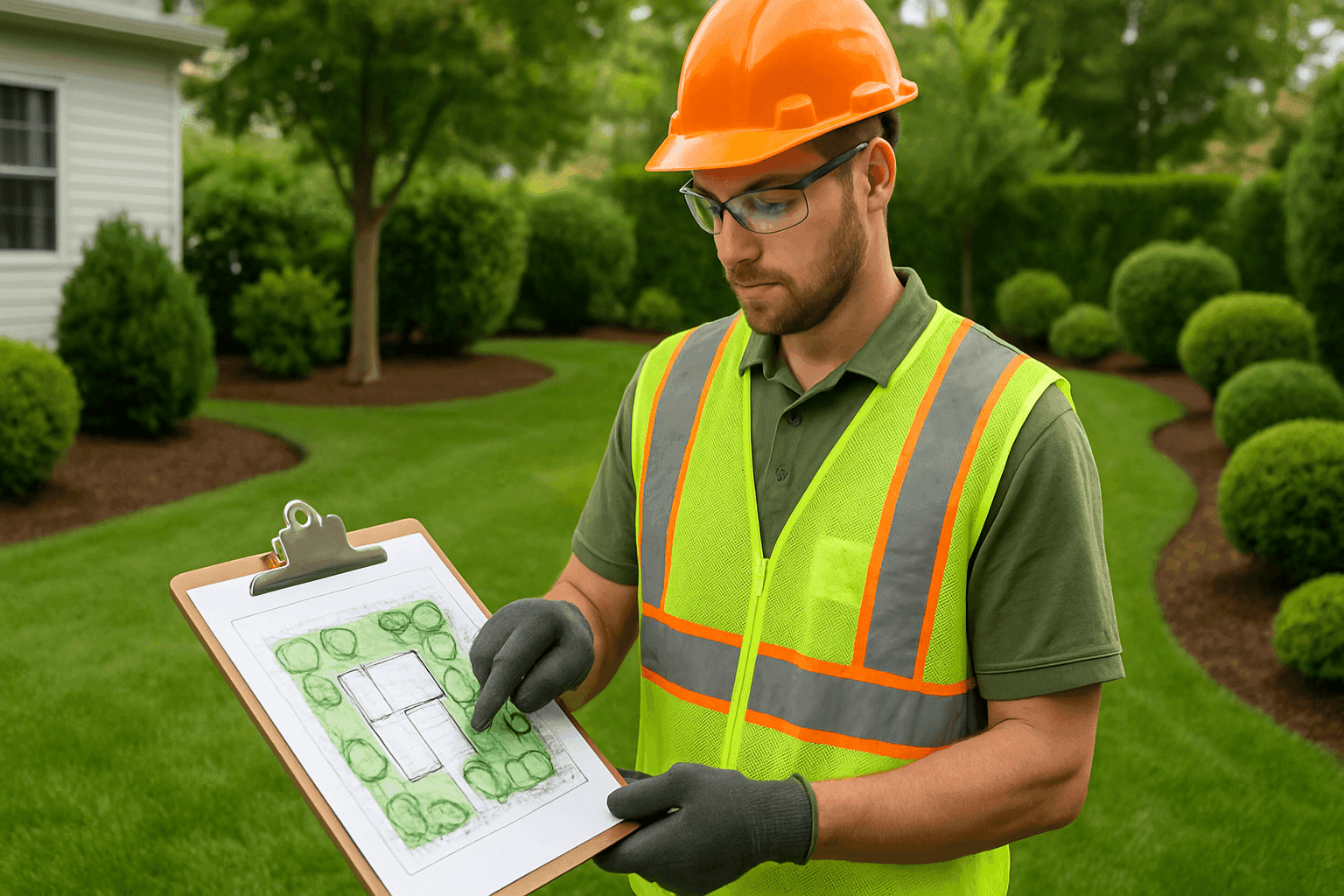
Thinking about upgrading your yard? Maybe you want a lush garden bed, a cozy outdoor seating area, or just a little less work every weekend. But the big question always comes first: How much will professional landscaping actually cost?
At Andrew's Acres Landscaping, we know price is a huge part of your decision. Homeowners deserve straight answers—without confusing jargon or wild promises. Let's break down what goes into the cost and how you can plan the landscape you’ve always wanted.
Factors That Affect Landscaping Costs 🌱
Landscaping isn’t one-size-fits-all. The price tag depends on an ever-changing mix of ingredients:
- Yard Size: A small city lot won’t cost the same as a sprawling backyard.
- Project Complexity: Simple lawn care is very different from a full landscape renovation or installing a custom fire pit.
- Material Choices: Natural stone, brick, sod, mulch, plants—each adds up differently.
- Labor Needs: Some jobs are quick. Others require skilled crews and specialty tools.
- Seasonal Timing: Spring and fall are busy seasons, which can affect labor availability and cost.
- Local Climate: Plant availability, irrigation needs, and weather patterns shape both design and maintenance.
- Access: Steep slopes, fences, or limited entryways can add to labor time.
Think of landscaping costs like building a sandwich: the more layers and the fancier the ingredients, the higher the price. It’s all about the combination that fits your taste—and your budget.
Typical Price Ranges for Common Services
Every project is unique, but here are some real-world ranges to help you set expectations. These are ballpark estimates—actual costs depend on your yard, location, and choices.
Patios and Walkways
- Simple paver patios or walkways: $10–$25 per square foot
- Natural stone or custom designs: $25–$50+ per square foot
Garden Bed Design & Installation
- Basic installation (soil prep, edging, mulch): $800–$2,500 per bed, depending on size and plant choice
- Detailed design with premium plants or stonework: $2,500–$8,000+
Outdoor Lighting
- Simple low-voltage lighting: $500–$2,500 for basic setups
- Extensive layouts or specialty fixtures: $2,500–$7,000+
Hardscaping Features
- Retaining walls: $40–$100 per square foot (materials and build)
- Fire pits, outdoor kitchens: $2,000–$15,000+, depending on complexity
Lawn Care, Maintenance, & Seasonal Cleanup
- Mowing, trimming, and fertilization: $40–$125 per visit
- Leaf removal, garden bed cleanup: $150–$700 per service, based on yard size
These figures are a starting point. For exact pricing, it’s wise to get multiple quotes from reputable landscaping companies near you—because every yard tells a different story.
How to Budget for Landscaping Projects
A beautiful yard is possible on almost any budget with the right planning. Here’s how to stretch your dollars further:
- Prioritize Needs vs. Wants: Start with what’s essential—like fixing drainage, controlling weeds, or repairing damaged areas. Add wish-list projects as budget allows.
- Phase Your Projects: Tackle big upgrades in stages. Maybe plan the patio this year, and add a water feature or new beds next year.
- Set Aside a Contingency: Unexpected issues (like hidden roots or grading surprises) can pop up. Reserving 10–15% extra helps avoid stress.
- Get Written Quotes: Always ask for a detailed, itemized estimate. This makes it easier to compare options apples-to-apples.
Think of your landscape as a long-term investment. The right improvements can boost curb appeal, comfort, and even property value over time.
Cost-Saving Tips and Red Flags 🚩
It’s tempting to cut corners—or to go with the lowest bid. But cheap can turn expensive if things go wrong. Here’s what to watch for:
Smart Ways to Save
- DIY Where It Makes Sense: Simple mulching, light planting, or garden bed edging can be homeowner-friendly. But for tasks like irrigation, retaining walls, or patio installation, leave it to the pros for safety and code compliance (see local building guidelines for more).
- Reuse Materials: Repurposing existing stones, bricks, or plants can lower costs.
- Choose Native Plants: They’re often less expensive and require less maintenance.
- Bundle Services: Combining seasonal cleanup, mulching, and hedge trimming may reduce overall labor charges.
Warning Signs
- Vague Estimates: If a contractor won’t provide clear, written pricing, keep looking.
- No Contract: Always insist on a signed agreement detailing scope, timeline, and payment terms.
- Unrealistic Promises: If a bid seems too good to be true, it probably is. Quality landscaping is skilled work.
A trustworthy landscaper should welcome questions and explain every step—before, during, and after the job.
Regional Influences on Landscaping Costs
Not all landscapes are created equal. Local climate, soil, and plant choices can shift costs up or down. For instance:
- Cold Climates: Snow removal, winter pruning, and freeze-resistant plants may be essential. These add seasonal costs.
- Hot/Dry Areas: Drought-tolerant landscaping, irrigation systems, and soil amendments can be crucial.
- Local Plant Availability: Some regions have abundant nurseries and suppliers, which can lower material costs. In remote areas, special plants or materials might need to be shipped in—raising the price.
- City Regulations: Some towns require permits for hardscaping, lighting, or tree work. Always check with your local city or county office, or ask your landscaper to clarify.
Frequently Asked Questions
How do I compare landscaping quotes fairly?
Look for detailed breakdowns. Compare scope, materials, labor, and warranties. If something isn’t clear, ask—good pros are happy to explain.
Is DIY landscaping always cheaper?
Not always. Simple tasks can save money, but mistakes on complex projects—like patio installation or irrigation—can cost more to fix than hiring a pro from the start.
What should I expect during a landscaping project?
Professional crews will review your plans, confirm materials, and ensure safety standards (per OSHA and local codes). Communication is key—ask questions early and often.
Can landscaping really add value to my home?
Yes, smart upgrades can boost curb appeal and property value. The American Society of Landscape Architects suggests investing 10–20% of your home’s value in landscaping for the best return.
Planning Ahead—And Getting the Yard You Want
A well-planned project saves money and headaches. Start with your goals. Set a budget that feels comfortable. Get written, detailed quotes from experienced landscapers—like Andrew’s Acres Landscaping—who listen and communicate clearly.
Most importantly: don’t rush. The right project will last for years, giving you a space to relax, play, and enjoy every season.
Call Andrew's Acres Landscaping now — or reach us anytime at 888-806-1708 .