Preventing Lawn & Garden Pests: Homeowner’s Guide to a Healthy Landscape
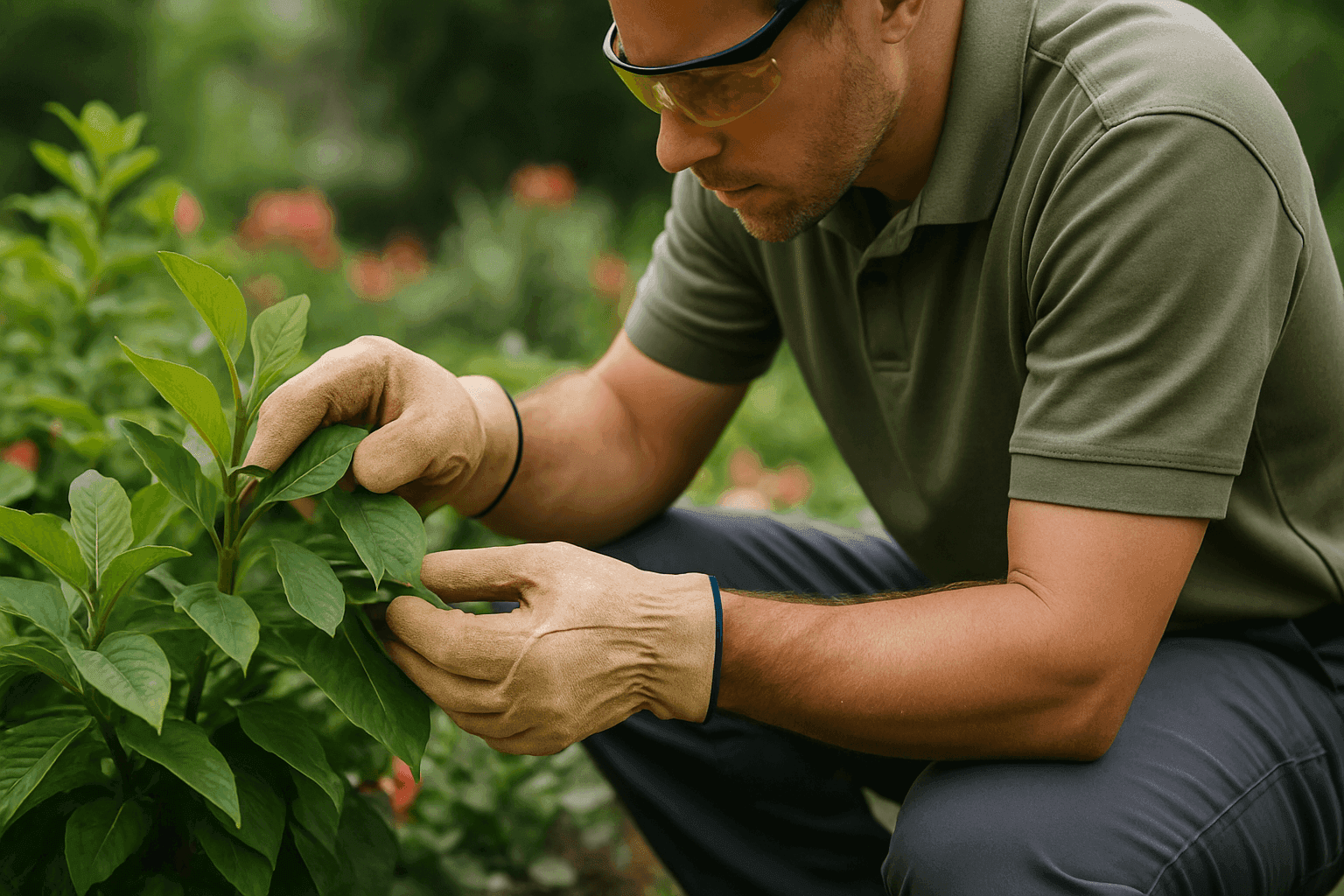
Does it ever feel like your backyard is under attack? One day, everything’s lush and green. The next, you find holes in your hostas, chewed grass patches, or wilting blooms that droop like tired soldiers. If you’ve invested in landscaping or garden bed design near you, pests can quickly undo all your hard work.
At Andrew’s Acres Landscaping, we know a healthy landscape is more than just curb appeal. It’s a thriving ecosystem that should work for you—not against you. Read on for practical, proven ways to keep your lawn and garden pest-free, season after season.
Common Lawn and Garden Pests 🐛
Nature is full of characters. Some are helpers—others, not so much. Let’s meet the usual suspects you might find lurking in your plants, soil, or grass.
- Grubs: Fat, white beetle larvae curled up under the turf. They feast on grassroots, leaving brown, spongy patches behind.
- Aphids: Tiny, soft-bodied insects that cluster on new growth. They suck plant sap, causing leaves to curl and yellow.
- Japanese Beetles: Metallic green beetles with bronze wings. They skeletonize leaves, leaving only the veins.
- Chinch Bugs: Minuscule but mighty, these bugs turn green grass yellow, especially in sunny spots.
- Cutworms and Armyworms: Night-feeding caterpillars that chew stems at soil level, leaving plants toppled.
- Slugs and Snails: These slow movers leave slimy trails across mulch and feast on leafy greens.
- Moles and Voles: Not insects, but mammals that tunnel under lawns, uprooting grass and exposing roots.
- Spider Mites: Red or yellow specks on the underside of leaves, leaving stippled or bronzed foliage.
- Sod Webworms: Tiny moth larvae that create brown patches in turf by feeding on grass blades.
Storms, sudden warmth, or heavy rains can spike pest populations. After severe weather, keep an eye out for fresh damage.
Signs and Early Detection
The best defense? Spotting trouble early. A healthy landscape doesn’t happen by accident—it’s a result of watchful eyes and quick action.
- Chewed leaves or holes: Look for ragged edges or windowpane-like damage.
- Sticky residue (honeydew): Aphids and scale insects leave this behind, drawing ants and causing sooty mold.
- Wilting, yellowing, or stunted growth: Could mean root damage or sap-sucking invaders.
- Brown or dead patches in the lawn: Often a sign of grubs, chinch bugs, or fungal issues.
- Visible insects: If you spot clusters of bugs, caterpillars, or beetles, act fast.
- Tunnels or raised ridges: Moles and voles can create telltale lines in the yard.
Walk your property regularly. The more often you check, the easier it is to catch problems before they spiral.
Prevention Strategies
Healthy landscapes begin with prevention. Think of your garden as a team—when everyone’s strong, pests have a harder time breaking through.
Cultural Controls
- Healthy soil: Test your soil each year. Balanced nutrients and proper pH help plants fight off pests.
- Proper watering: Water early in the day, at the soil level, to keep leaves dry and discourage fungal growth.
- Mulching: Use mulch to retain moisture and suppress weeds, but avoid piling it against plant stems.
- Companion planting: Grouping plants like marigolds or basil with vegetables can naturally repel pests.
- Plant selection: Choose disease-resistant varieties suited to your local climate.
Physical Controls
- Hand-picking: Remove beetles, caterpillars, or slugs by hand.
- Barriers: Row covers, netting, or collars can block pests from plants.
- Pruning: Trim back infested branches and dispose of them away from your yard.
- Regular cleanups: Remove leaf litter, weeds, and debris where pests hide.
Biological Controls
- Beneficial insects: Ladybugs, lacewings, and predatory wasps eat aphids, mites, and larvae.
- Encourage birds: Install feeders or birdbaths to attract natural pest predators.
- Nematodes: These microscopic worms can be introduced to target soil-dwelling pests like grubs.
Limited Chemical Controls
Sometimes, pests get out of hand. If you must use products:
- Choose targeted, low-toxicity options: Like insecticidal soap, neem oil, or diatomaceous earth.
- Spot-treat: Apply only to affected areas—never blanket spray.
- Read all labels: Follow local codes and manufacturer safety guidelines.
- Protect pollinators: Avoid treating blooming plants when bees are active.
For major infestations, consult a licensed landscaping professional to ensure safe, effective treatment.
Seasonal Pest Management Checklist 📅
Landscapes shift with the seasons—and so do pest risks. Use this simple checklist to stay ahead:
Spring:
- Inspect soil and garden beds as snow melts.
- Refresh mulch and trim back dead growth.
- Watch for early signs of aphids, slugs, and grubs.
Summer:
- Water deeply but less often.
- Mow lawn at recommended height.
- Check for beetles, armyworms, and fungal spots after storms.
Fall:
- Rake leaves and remove plant debris.
- Aerate soil and overseed bare lawn patches.
- Inspect for voles, moles, and overwintering insects.
Winter:
- Prune dormant trees and shrubs.
- Protect tender plants with burlap or mulch.
- Clear snow from evergreen branches to prevent breakage.
Adjust your vigilance after heavy rain, wind, or sudden temperature swings—these can give pests a head start.
Real-World Tips from Industry Standards
Andrew’s Acres Landscaping follows science-backed guidelines from organizations like the National Association of Landscape Professionals and the Environmental Protection Agency (EPA). We:
- Use integrated pest management (IPM): Combining preventive care, monitoring, and selective intervention.
- Prioritize safety: All products and methods are chosen with families, pets, and wildlife in mind.
- Stay current: Our team keeps up with local regulations and best practices.
When to Call for Help
DIY works for minor issues. But some battles need backup. If you notice:
- Rapid, widespread damage overnight
- Unfamiliar insects or diseases spreading quickly
- Recurring pest issues you can’t shake
It’s time to bring in a professional. Landscaping pros have the tools, training, and access to treatments that aren’t available at the store.
FAQ
What’s the safest way to control pests if I have kids and pets?
Use physical and cultural controls first—like mulching, hand-picking, and pruning. If you need products, look for organic or low-toxicity solutions and always follow safety instructions. Keep kids and pets off treated areas until they’re dry.
How can I tell if brown lawn patches are from pests or drought?
Try the “tug test.” Gently pull on dead grass—if it lifts easily with no roots, grubs or insects may be to blame. If the roots hold, drought or fungal issues are more likely.
Will regular garden bed design or renovation help with pest control?
Absolutely. Raised beds, proper drainage, and careful plant selection all discourage pests and make it easier to spot trouble early on.
Can weather changes really increase pest problems?
Definitely. Storms, heatwaves, and sudden cool spells can push pests into new areas or weaken plants, making them more vulnerable.
Local and Seasonal Considerations 🌦️
Here in our region, weather can turn on a dime. Early spring thaws, late frosts, or summer downpours all create unique challenges. After a big storm, check for fresh tunnels, chewed leaves, or fungal spots—pests love to take advantage of stressed plants.
Winter isn’t a break, either. Mice, voles, and overwintering insects can shelter in mulch or woodpiles. Early action in spring—cleaning up debris, testing soil, and choosing hardy plants—sets the stage for a healthy, pest-resistant landscape all year long.
A pest-free yard doesn’t have to be a dream. With a trained eye, regular care, and the right prevention strategies, you can enjoy a healthy landscape season after season.
Call Andrew's Acres Landscaping now — or reach us anytime at 888-806-1708 .